
Structural changes are often the most intricate and challenging aspects of remodeling a house. The location of walls changes, the weight distribution shifts, and sometimes the systems hidden behind the finishes suddenly become important. For this reason, kitchen and bathroom remodeling contractors take these projects through careful planning, technical expertise, and slow coordination—long before any of their work becomes visible.
Learning how those experts handle structural changes gives homeowners a picture of the back-and-forth and why patience and readiness are important.
How Does Structural Assessment Shape Early Decisions?
Before designing any layout, the contractors take an innovative approach in determining which elements can be changed safely and which ones cannot. They mainly consider the kitchens and bathrooms as those areas usually have their location dictated by plumbing stacks, support walls, or load-bearing beams.
The evaluation in the early stage is mainly concerned with:
- Recognising walls that bear loads
- Finding the routes of plumbing and electricity
- Taking the existing framing and foundation conditions into consideration
This phase of the project will not limit the designers’ imagination to the building’s existing structure.
Load-Bearing Changes Require Engineered Solutions
Changing or demolishing walls is not the only option. In the case of a structural modification, the load must be redistributed safely. A builder works with an engineer to develop a solution that involves, for example, a beam, a header, or supported areas, which will be strong enough and suitable for the whole building.
With these engineered solutions, it is possible not only to achieve open layouts and larger areas but also to keep the house safe.
Why Is Systems Coordination Critical During Structural Changes?
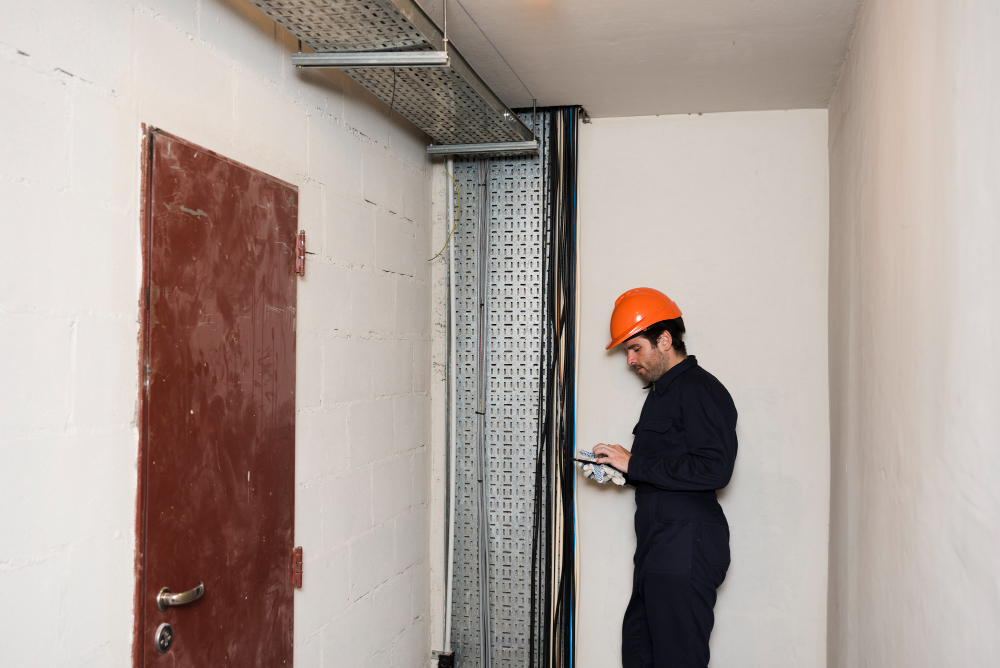
Structural modifications affect not only the building’s framing. The water, the air conditioning and heating, as well as the electrical installations, are usually hidden in walls and floors. The builders think of these systems all at once and not separately.
By means of coordinated planning, they can:
- Prevent the newly installed supports from being cut up
- Make sure the ventilation and drainage work properly.
- Allow for easier access to the mechanical systems for maintenance.
This integrated approach reduces delays and prevents rework later in the project.
Final Integration Ensures Long-Term Stability
Permits and inspections are necessary for all structural modifications at all stages. The approvals mentioned above are not mere formalities—they dictate the pace and manner of the work.
A licensed general contractor in Tampa knows the inspection sequences and local codes, ensuring that framing, reinforcements, and system changes are reviewed at the right times. This not only keeps the project in compliance but also avoids delays caused by failed inspections.
Conclusion
Changing the structure is a complex process; it needs skilled people, good cooperation, and mutual responsibility. Cullen Construction, however, manages to deal with such hardships by thoroughly organizing every stage of the project, ensuring that not only engineers but also designers’ hopes are aligned with the practical limitations of the construction process.
Partnering with licensed residential general contractors in Tampa for major layout changes in residential projects will be advantageous and will provide clarity, safety, and trust.
A carefully planned conversation at the start of the process could result in a remodel that is not only beautiful but also very durable and structurally sound for many years.
